
IPS and ILS Consulting
We offer a range of effective and efficient support solutions.
Pennant has a team of highly qualified (up to second degree level) engineers and support chain specialists conversant with the market and the modern tools necessary to develop highly effective support solutions. We augment our internal team with our peerless talent pool of associate consultants to provide end-to-end IPS & ILS consultancy services.

Pennant’s Services
Pennant delivers IPS services using an approach which we call the IPS Services Onion. This approach graduates the complexity of the service from the relatively simple onboarding of new customers to the highly complex advice which we provide to Industry and Military leaders.
Pennant’s ILS & IPS consultancy services include but are not limited to:
1. Logistic/Product Support Analysis
2. Program Design, Project Planning, Policy and Guidance
3. Product Support Engineering and Analysis
4. Product Support Data Services
5. Product Support Data Integration and Management
6. Product Support Effectiveness Reviews
7. Product Life Cycle Costing and Planning
The IPS Services Onion
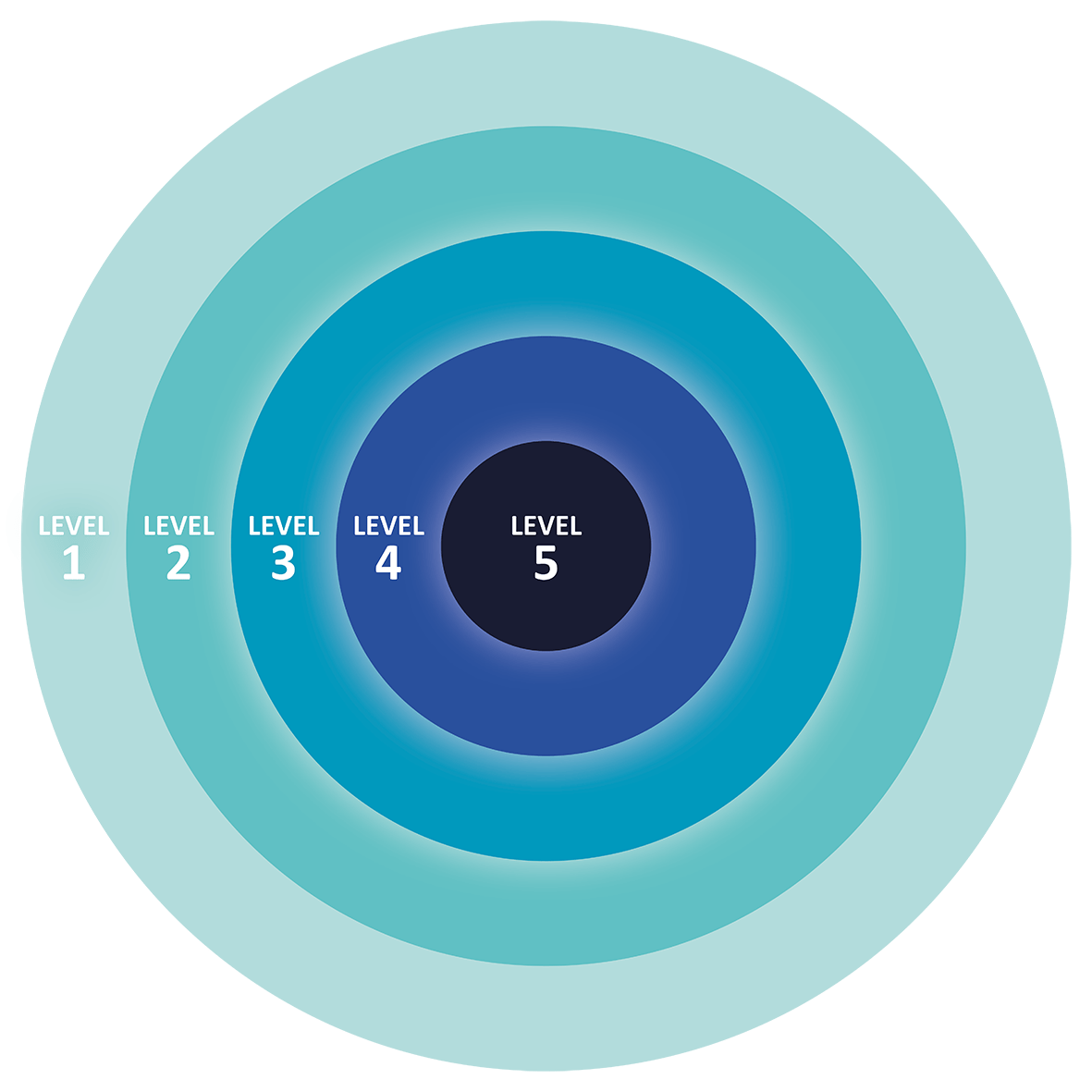
Level 1: Customer support, demonstrations, on boarding, getting started with the applications. Hand holding.
Level 2: Manpower substitution, providing manpower to deliver ILS and LSA artefacts and deliverables on behalf of the customer – Bums on Seats.
Level 3: Pure IPS consultancy. Advising and supporting and expert advice to the customer as they create and deliver ILS and LSA artefacts.
Level 4: Value added consultancy services. Development of support solution policy. High level modelling and analysis. Support Analytics. Decision Support.
Level 5: Providing advice to senior military and industry leaders.





Logistic/Product Support Analysis
We help organisations define the optimal support solution by analysing how systems are designed, maintained and supported. Our LSAR/LSA processes comply with MIL STD, SAE, ASD/AIA and national defence standards.
This includes:
-
System breakdowns and item definitions
-
FMECA and RCM analysis
-
Maintenance Task Analysis
-
Provisioning and resource planning
Program Design, Project Planning, Policy and Guidance
Successful support solutions must be designed into a project from the start. Good planning early in the project prevents downstream cost and data management issues.
Pennant Supports:
-
Contracting and tender documentation
-
Supply chain and sparing planning
-
Training requirements
-
Data creation and information system preparation
-
Technical documentation planning
Product Support Engineering and Analysis
Our engineers conduct detailed analysis to ensure equipment is supportable, reliable and maintainable.
Activites include:
-
Equipment breakdowns
-
Failure analysis
-
Maintenance optimisation
-
Resource planning
-
Provisioning support
Product Support Data Services
The true cost of ownership of a major asset such as a ship, vehicle, or aircraft is much more (up to four times) than the purchase price. Using GenS, Pennant helps organisations create and reuse LSA data. We can perform the analysis directly or guide customer teams through the process.
LSA data for:
-
Provisioning
-
Impact-of-change assessment
-
Support improvement analysis
-
Technical publications, data reuse
-
Product Support Data Integration and Management
To maintain control support data must integrate with corporate systems such as CAD, PLM, ERP or other data information systems such as RAM or obsolescence management tools.
Pennant helps organisations:
-
Design information technology data architectures
-
Migrate and validate data
Product Support Effectiveness Reviews
Once equipment is in service, real-world performance must be assessed.
Pennant:
-
Analyses operational data to identify opportunities
-
Improve availability, reliability and cost‑effectiveness.
Product Life Cycle Costing and Planning
Worldwide, it is recognised that the equipment in-service sustainment costs often are as much, if not more than the initial acquisition cost. Using Pennant’s Analyzer tool, we support clear, data-driven decision making.
Using Analyzer we help:
-
Estimate life cycle costs
-
Model support options
-
Identify cost drivers
-
Balance readiness against budget constraints